
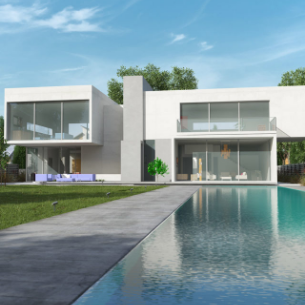
The Importance of Interior Design and Its Role in Improving Quality of Life
The Importance of Interior Design and Its Role in Improving Quality of Life
Interior design is a vital field that combines art and engineering, aiming to create interior spaces that achieve a balance between beauty and functionality. Interior design is not limited to color coordination or furniture selection; it encompasses a comprehensive study of how people interact with a space, transforming the surrounding environment into a source of comfort and inspiration. With the rapid evolution of lifestyles, the need for thoughtful interior designs that consider both psychological comfort and aesthetics has increased.
The importance of interior design lies in its direct impact on individuals’ behavior, mood, and productivity. For example, calming colors create a sense of tranquility and comfort, while warm colors add energy and vibrancy to a space. Appropriate lighting can transform an ordinary space into a lively environment. Furthermore, the intelligent placement of furniture and use of space play a crucial role in achieving fluidity and ease of movement within a space, whether it’s a home, office, or restaurant.
From a functional perspective, interior design helps to utilize space in the best possible way. A skilled designer can transform small spaces into comfortable and efficient environments through intelligent planning and the appropriate selection of furniture and colors. Interior design can reflect a space’s identity and enhance its brand, especially in commercial establishments, hotels, and restaurants, where it becomes a means of influencing customers and creating a distinctive experience.
Aesthetically, interior design strives to create visual harmony among all elements of a space, from walls and floors to lighting, decor, and accessories. Every detail is part of a cohesive artistic composition that reflects both the designer’s taste and the user’s needs. Interior design also contributes to showcasing the personality of the space’s owners, allowing them to express their lifestyle, culture, or artistic vision.
With technological advancements, interior design has become more precise and innovative thanks to the use of 3D design software, which allows designers and professionals to visualize the space before implementation. New trends have also emerged, such as sustainable design, which aims to minimize environmental impact by using eco-friendly materials, and smart design, which integrates technology into lighting and control systems to provide comfort and efficiency.
In conclusion, interior design is not merely a luxury, but a necessity that contributes to improving the quality of daily life. It makes spaces more comfortable, organized, and beautiful, and influences human mood and interaction with the surroundings. Interior design is the art of creating a sense of place, a creative expression that translates human needs into a holistic living experience combining comfort, beauty, and functionality.